
Udon Thani City Museum: The Story Behind the City
Udon Thani is often associated with the Red Lotus Lake, Ban Chiang, temples and the modern bustle of one of northeast Thailand's largest cities. But to understand how Udon Thani became the place it is today, one of the best places to begin is Udon Thani City Museum.
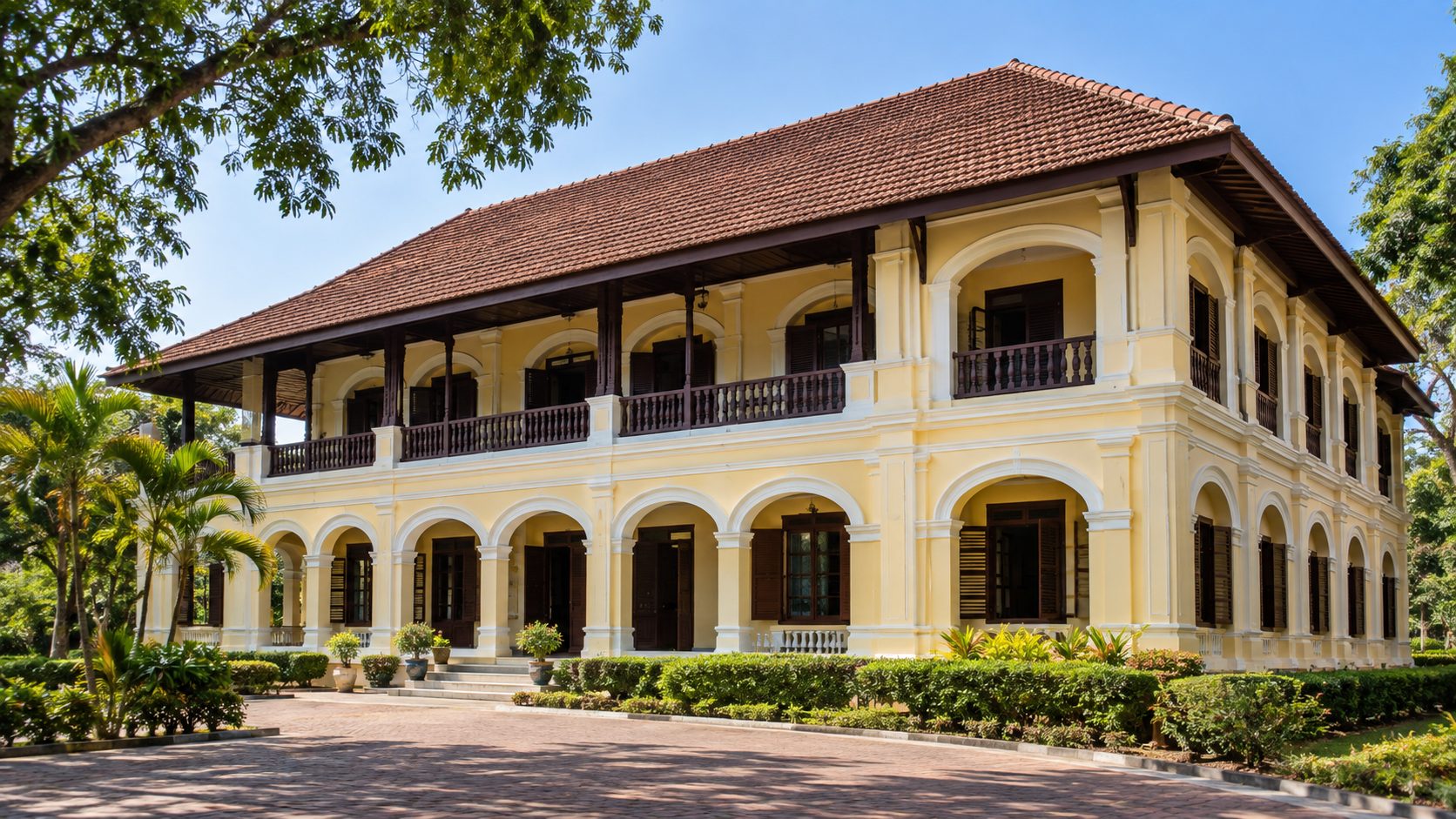
Housed inside the elegant historic Ratchinuthit Building on Pho Si Road, the museum brings together the archaeology, people, traditions and changing fortunes of Udon Thani in a surprisingly modern setting. The museum traces the area from its distant prehistoric past through the foundation and growth of the city, the arrival of new communities, the dramatic changes of the twentieth century and the Udon Thani of today.
A Historic Building With Its Own Story
Even before you enter the museum, the building tells part of Udon Thani's history.
The Ratchinuthit Building was conceived as a school for girls during the reign of King Rama VI. Construction was eventually completed in 1925, and the building later took the name Ratchinuthit. Its cream-coloured façade, arched windows, symmetrical proportions and covered galleries combine Western colonial influences with features suited to Thailand's tropical climate.
Over the decades the building served several educational, cultural and government purposes. In 1998 it was registered as an important historic building by Thailand's Fine Arts Department, and in 2004 it reopened as Udon Thani City Museum.
Today, the restored building is one of Udon Thani city's most distinctive architectural landmarks.
From Prehistoric Isan to Modern Udon Thani
The museum is much more than a collection of old photographs.
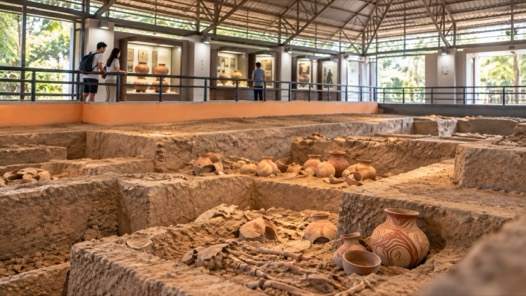
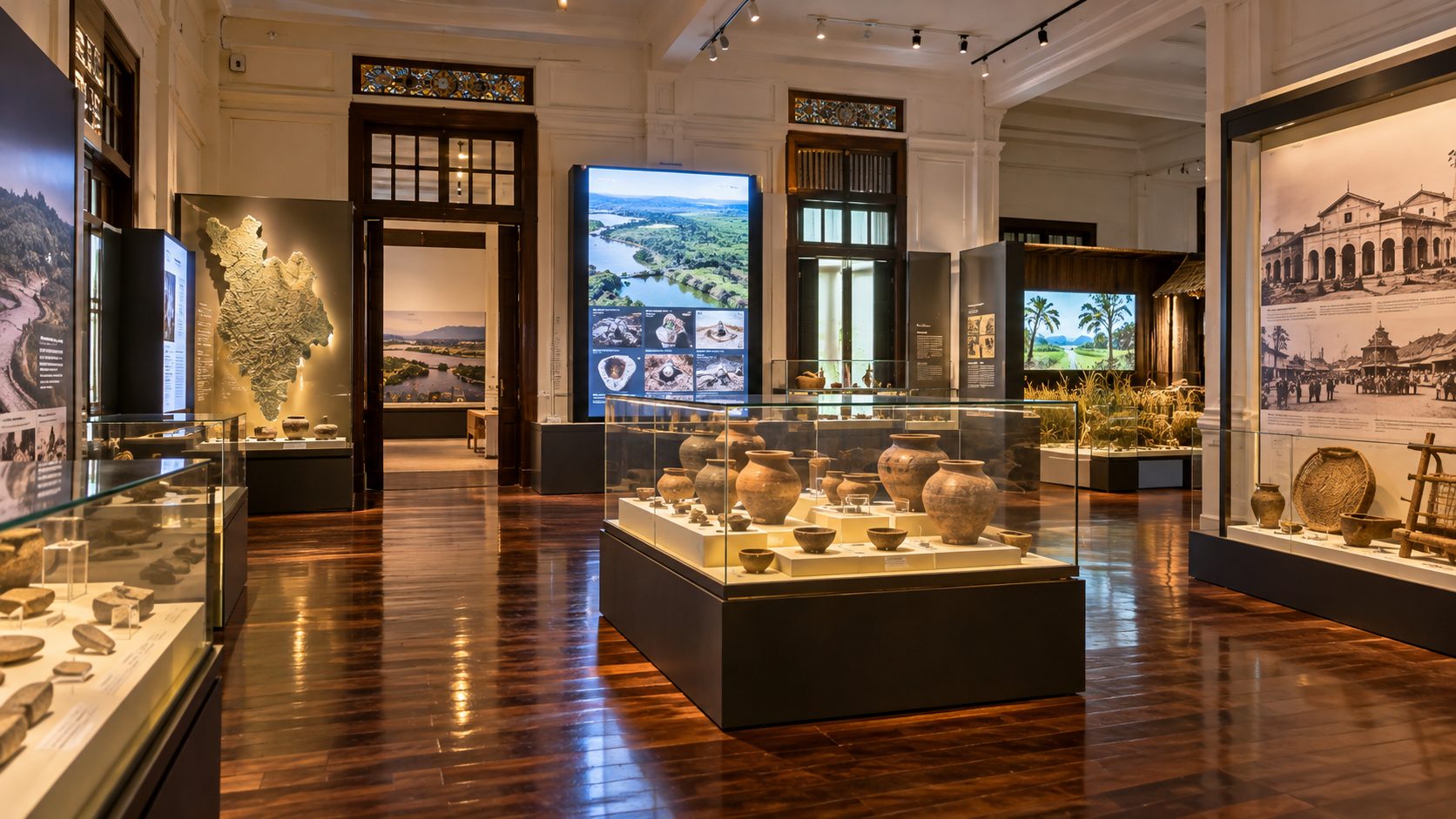
Its exhibitions explore the natural and human history of the region, including geology, archaeology, ancient settlement, local culture and the gradual development of Udon Thani as an important city in northeast Thailand. The displays connect the modern city with a much longer story of settlement across the Khorat Plateau and the wider Isan region.
Modern multimedia displays help make some of these subjects far more accessible than a traditional glass-case museum. One exhibition, for example, uses projected light and imagery to recreate a prehistoric underwater environment, while other rooms use screens, sound and interactive displays to tell the story of the province.
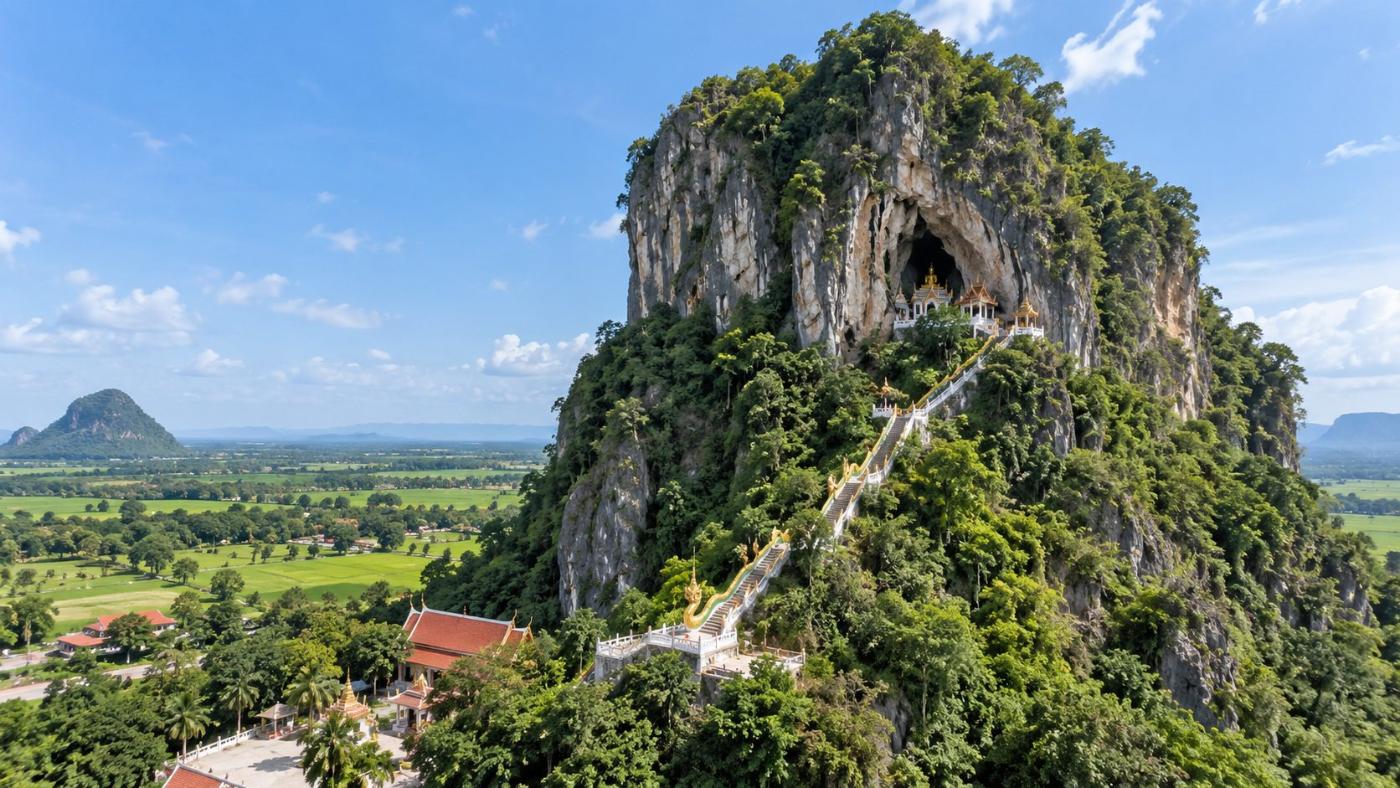
This makes the museum particularly useful at the beginning of a trip around Udon Thani. Places such as Ban Chiang, Phu Phra Bat and other historic sites make much more sense once you understand the wider timeline of the region.
The Founding and Growth of Udon Thani
A major part of the museum focuses on the emergence of Udon Thani as a modern city.
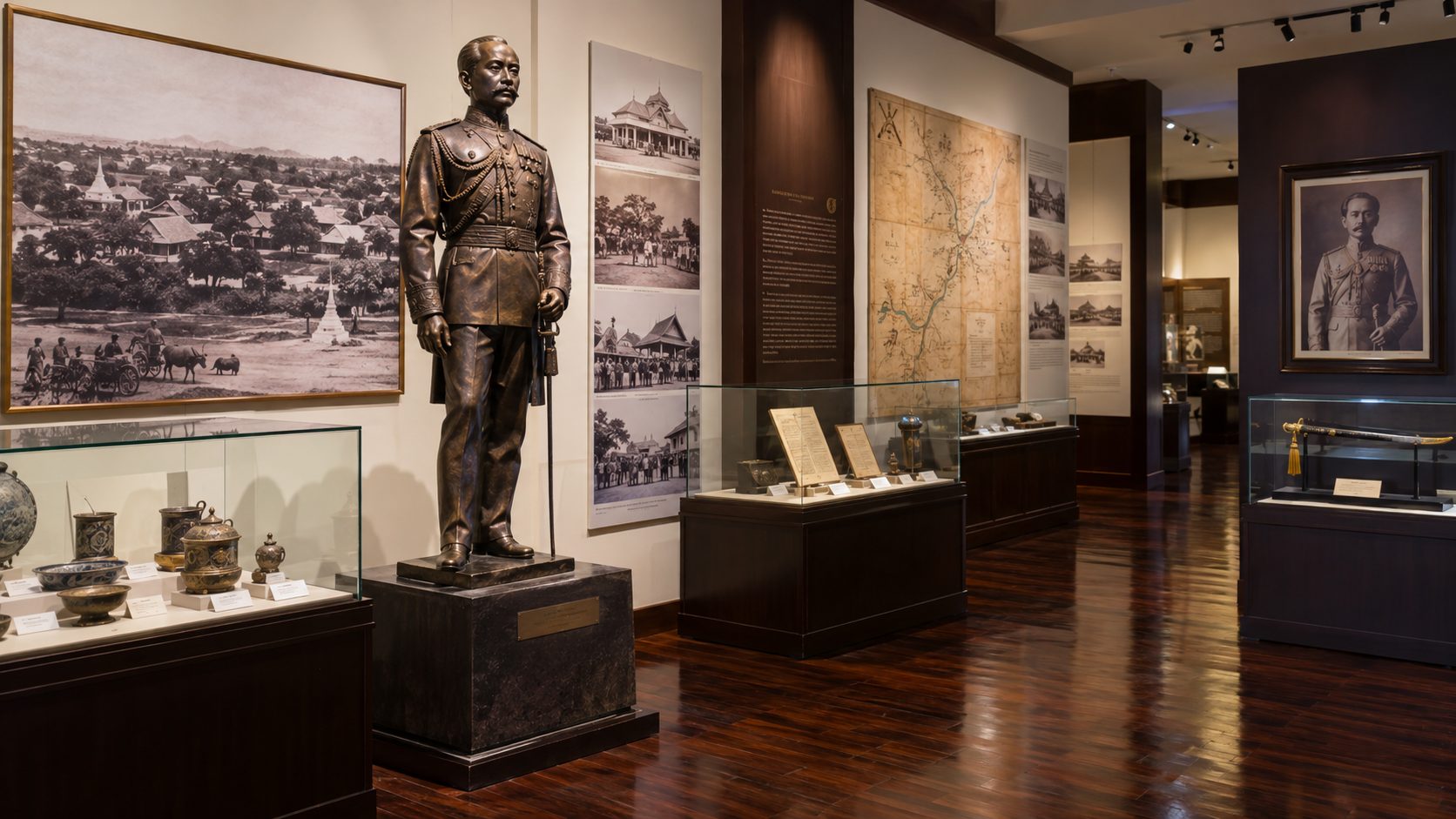
Visitors can learn about Prince Prajak Silapakhom, closely associated with the establishment of modern Udon Thani during the late nineteenth century, as well as the early layout and development of the city. The exhibitions show how roads, public buildings, commerce and migration gradually transformed what had once been a much smaller settlement.
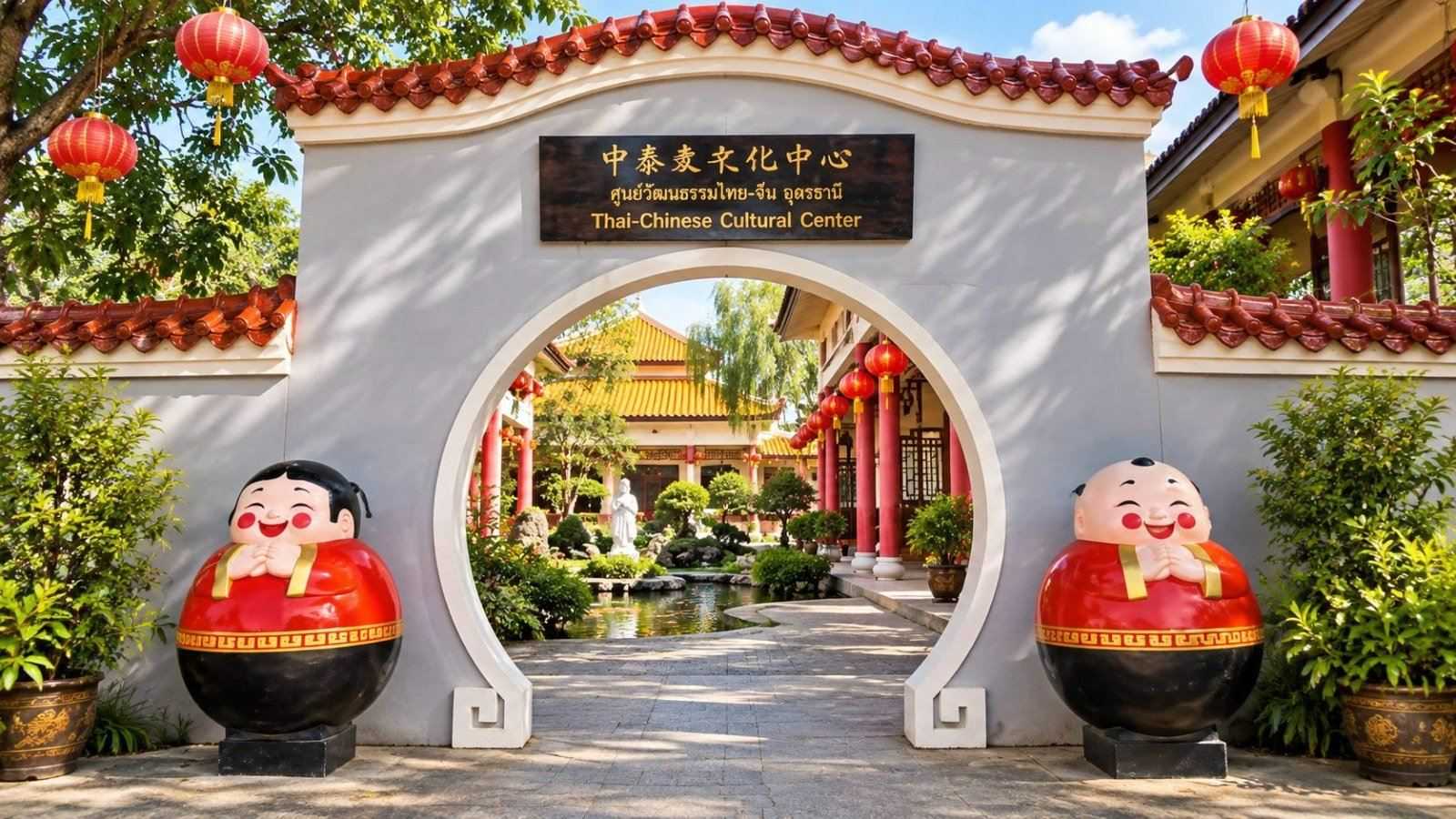
The museum also explains something visitors can still see throughout Udon Thani today, the city's mix of communities and cultural influences. Lao-Isan traditions sit alongside Thai, Vietnamese, Chinese and later Western influences, helping create a city with a character quite different from many other provincial capitals.
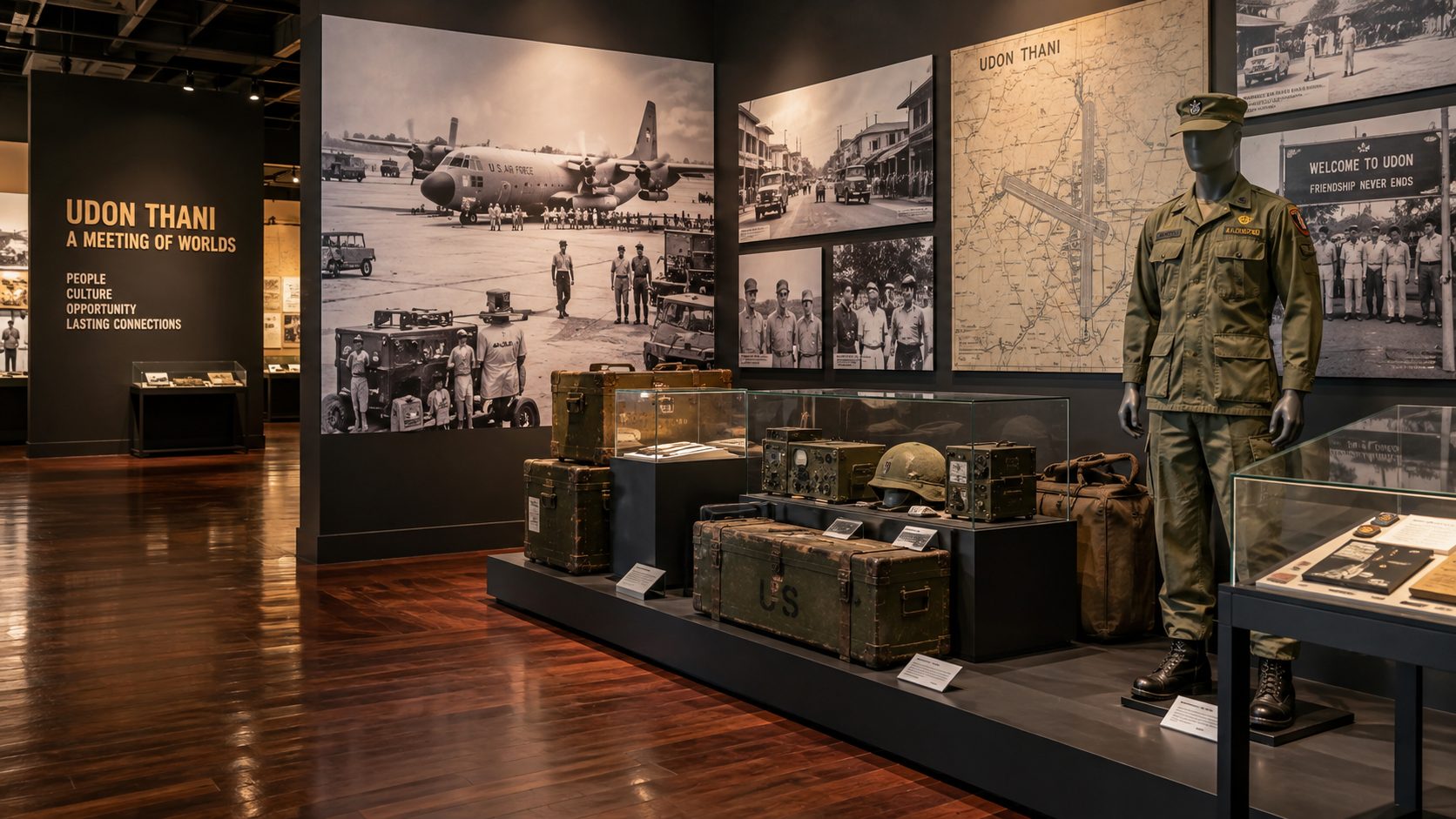
Udon Thani During the American and Vietnam War Era
One of the more fascinating parts of Udon Thani's recent history came during the Cold War and Vietnam War period.
The arrival of large numbers of American military personnel had a major effect on the local economy and society. Hotels, entertainment venues, cinemas, restaurants and new businesses appeared, while new jobs developed for local residents. Western music, fashions, food and consumer culture also became more visible in everyday life. The museum addresses this period as part of the story of how rapidly Udon Thani changed during the twentieth century.
That history remains visible in parts of modern Udon Thani. The city's unusually international character, its long-established Vietnamese community and traces of mid-century Western influence all form part of a much bigger story than many first-time visitors expect.
Everyday Life and the People of Udon Thani
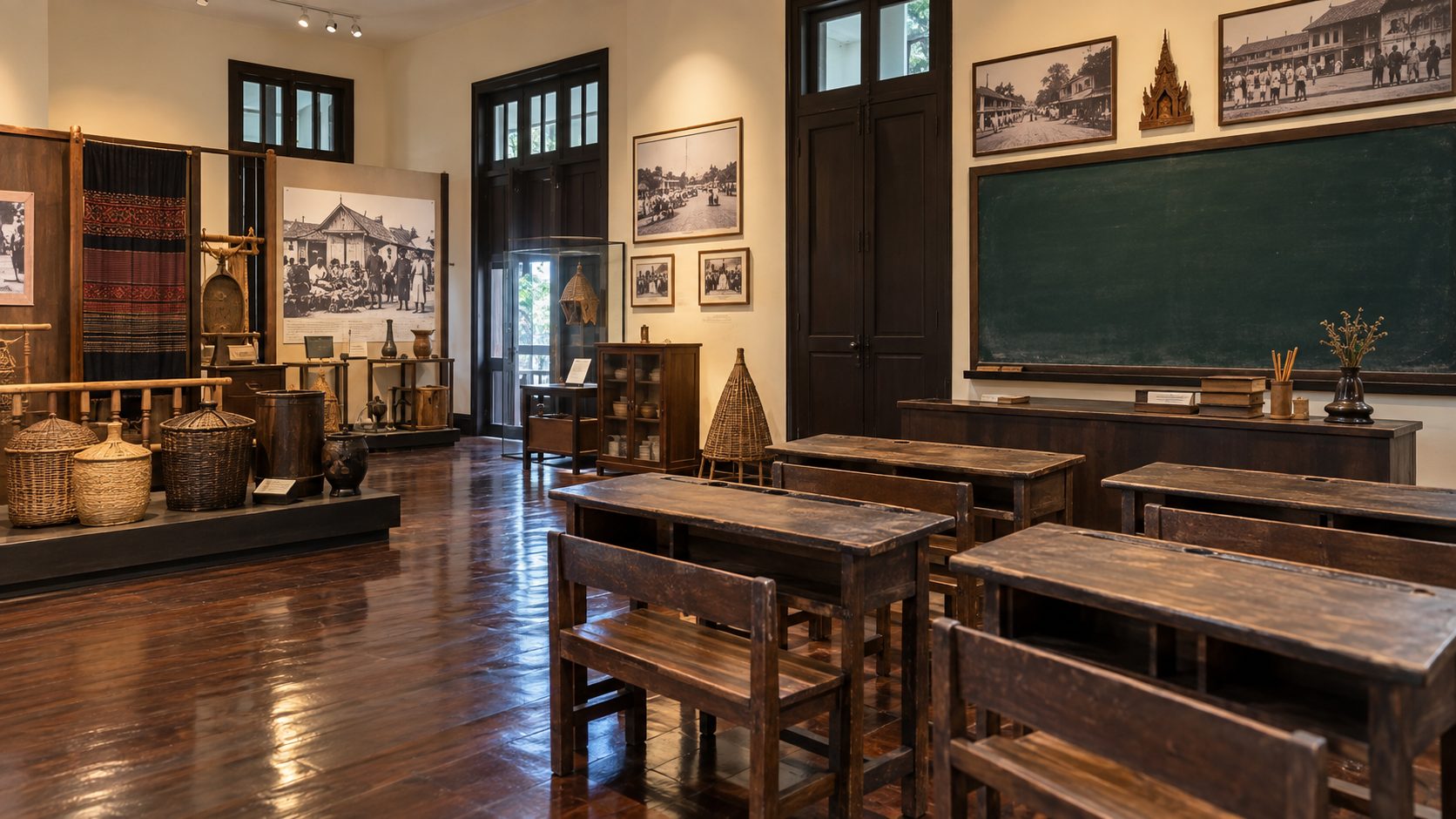
Some of the museum's most engaging displays are not about kings, wars or government at all. They focus on ordinary life.
Recreated rooms, photographs, objects and multimedia displays explore education, traditional homes, occupations, local culture and the experiences of people who lived through Udon Thani's rapid transformation. The museum's traditional-life galleries even reference the history of the building itself as a former school.
Other exhibitions highlight significant local figures and people whose work helped shape the province. Together, these displays make the museum feel less like a timeline of dates and more like a story about the people who created modern Udon Thani.
Visiting Udon Thani City Museum
Udon Thani City Museum is on Pho Si Road in Mak Khaeng, beside the Nong Prajak area and only a short distance from the centre of Udon Thani.
According to the museum's current official website, it is open Tuesday to Sunday from 9:00am to 4:00pm, and closes on Mondays and public holidays. Visitor registration is currently listed as 9:00am to 11:30am and 1:00pm to 4:00pm. Because opening arrangements can change for public holidays or special events, checking before travelling is sensible.
Allow around one to two hours if you want to explore the exhibitions properly. It also combines easily with a walk around nearby Nong Prajak Park.
Is Udon Thani City Museum Worth Visiting?
Yes, particularly if you want to understand Udon Thani rather than simply pass through it.
The building alone is worth seeing, but the real value lies in connecting the different pieces of the province's story. Prehistoric settlement, ancient Isan culture, the foundation of the modern city, migration, the American military era and contemporary Udon Thani are all part of the same continuing story.
Visit the museum first, and many of the places you see afterwards around Udon Thani begin to make considerably more sense.
Why Stay at Nakara Villas & Glamping for Your Udon Thani City Museum Visit?
Nakara Villas & Glamping makes a peaceful base for exploring the history and character of Udon Thani. A visit to Udon Thani City Museum combines perfectly with nearby Nong Prajak Park, where you can enjoy a relaxed walk around the lake, see the city's famous giant yellow ducks and experience one of Udon Thani's most popular local gathering places. Together, they make an easy and enjoyable half-day in the city before returning to Nakara for a swim, dinner and a quiet evening in the gardens.